
Case Study: HOLO DICOM Visualizations
Technology
AI, DICOM, Figma
Timeline
6 Months
Role
Designer & Strategist
Date Completed
August 2023
User Problem
Physicians and healthcare professionals need an efficient and integrated way to digest AI-extracted clinical insights from medical imaging within their existing workflow.
Business Problem
Streamlining development while ensuring seamless integration with physicians’ established workflow for vieweing AI-enhanced DICOM imaged
The Solution
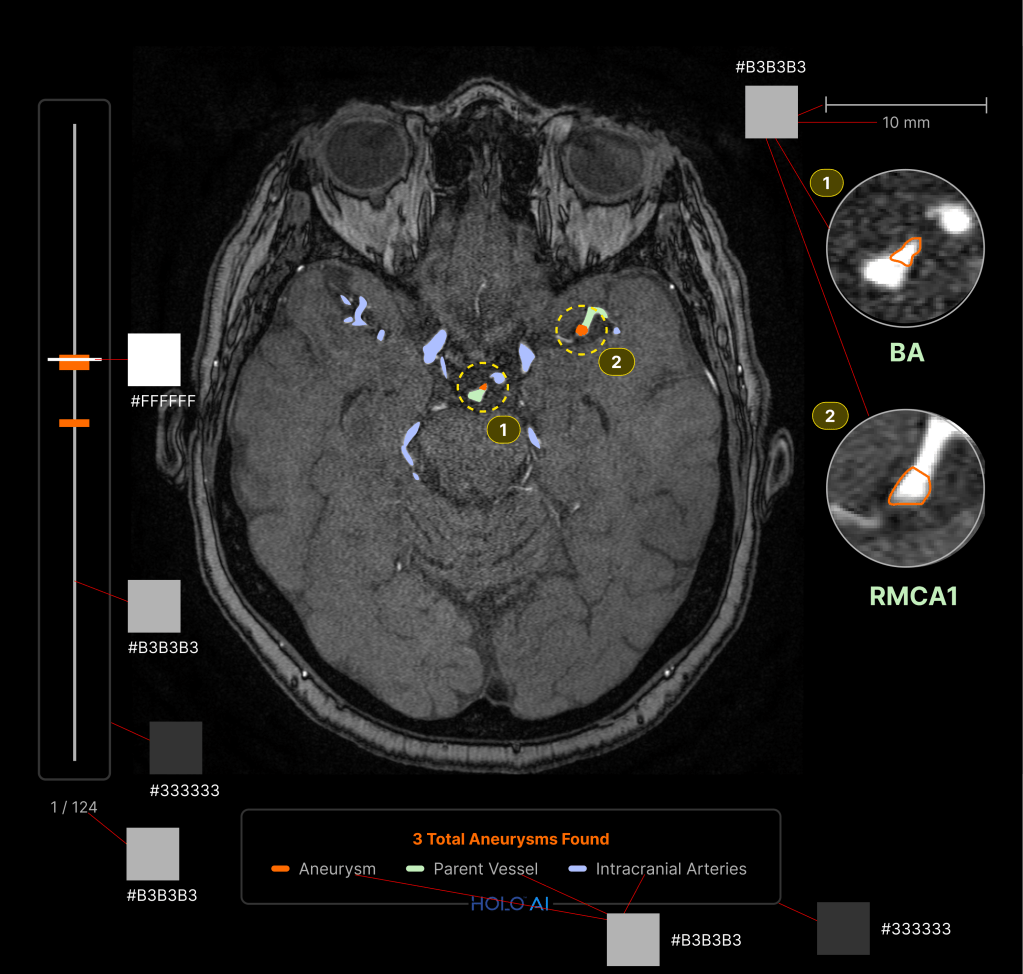
Designing and implementing three new sets of DICOM series (Summary, Sagittal, Axial) enhanced by AI to be viewed alongside original images, optimizing visual appeal and user experience through collaboration with physician consultants and detailed design systems, ultimately bridging the gap between machine learning outputs, customer requirements, and business goals.

Research and Explorations
I began by delving into various visual possibilities and experimenting with them alongside our physician consultants. Gathering feedback from these sessions, I collaborated with the team to refine and solidify the designs.
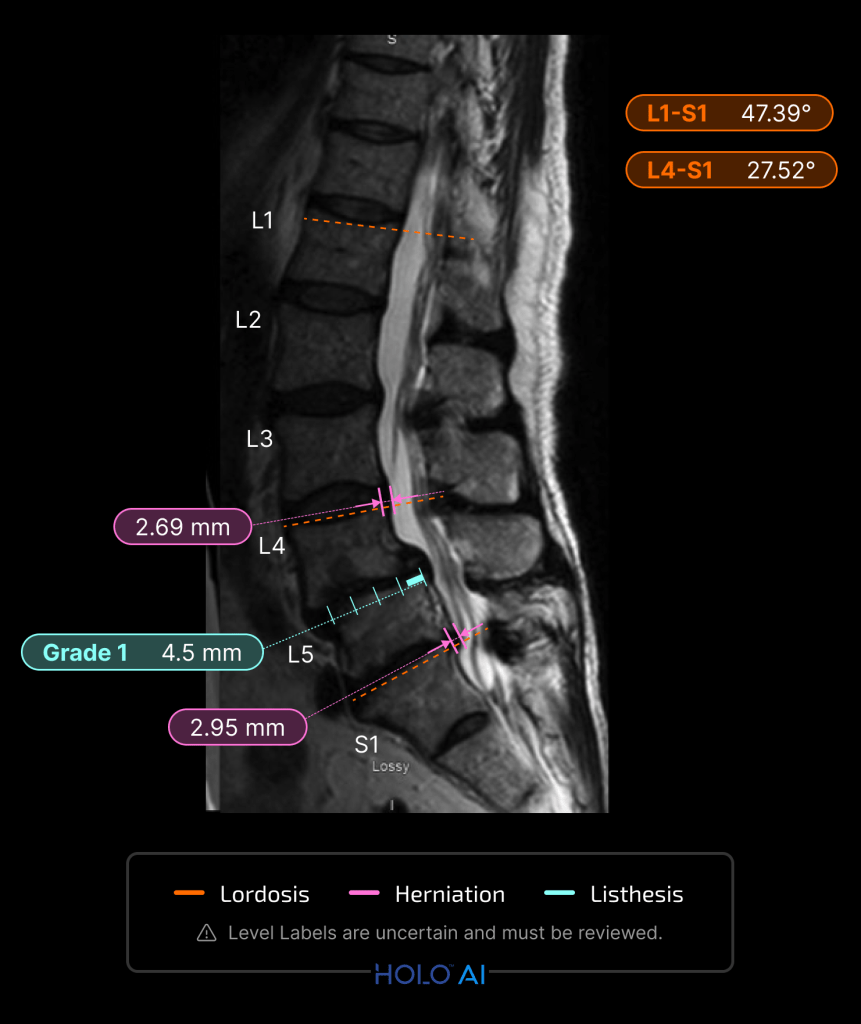
Throughout this process, I used my clinical expertise from supporting 1000s of cases and learning physician workflows. For instance, when presenting to the engineering team, I emphasized the technical aspects of the product’s implementation, using detailed schematics and mock-ups to illustrate feasibility and functionality.
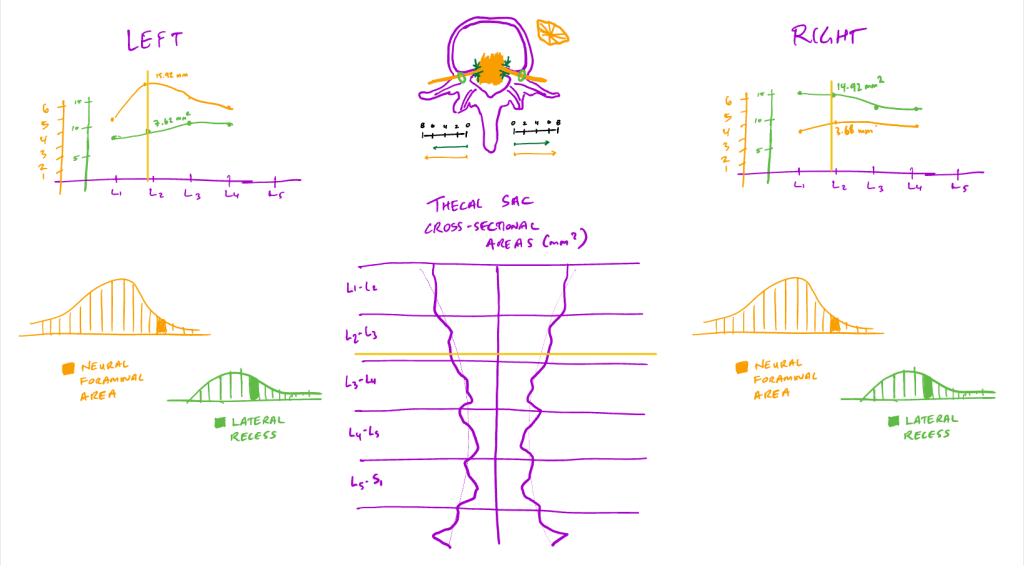
On the other hand, when engaging with the marketing team, I focused on the visual appeal and user experience, incorporating eye-catching graphics and interactive prototypes to convey the product’s potential market impact.
A similar process started in parallel to create AI-enriched DICOM images for an application in aneurysm. I used a similar approach and conducted weekly design critiques with physicians in order to refine the designs.
Developer Handoff
The final step in implementing the designs in our product would be to equip our development team with the visual criteria and visual assets. In addition to detailed mockups such as the one below, I presented an interactive Design Systems in-depth technical presentation that taught our front-end developers how to interact with our Figma design system and pages.
Prototypes and Next Steps
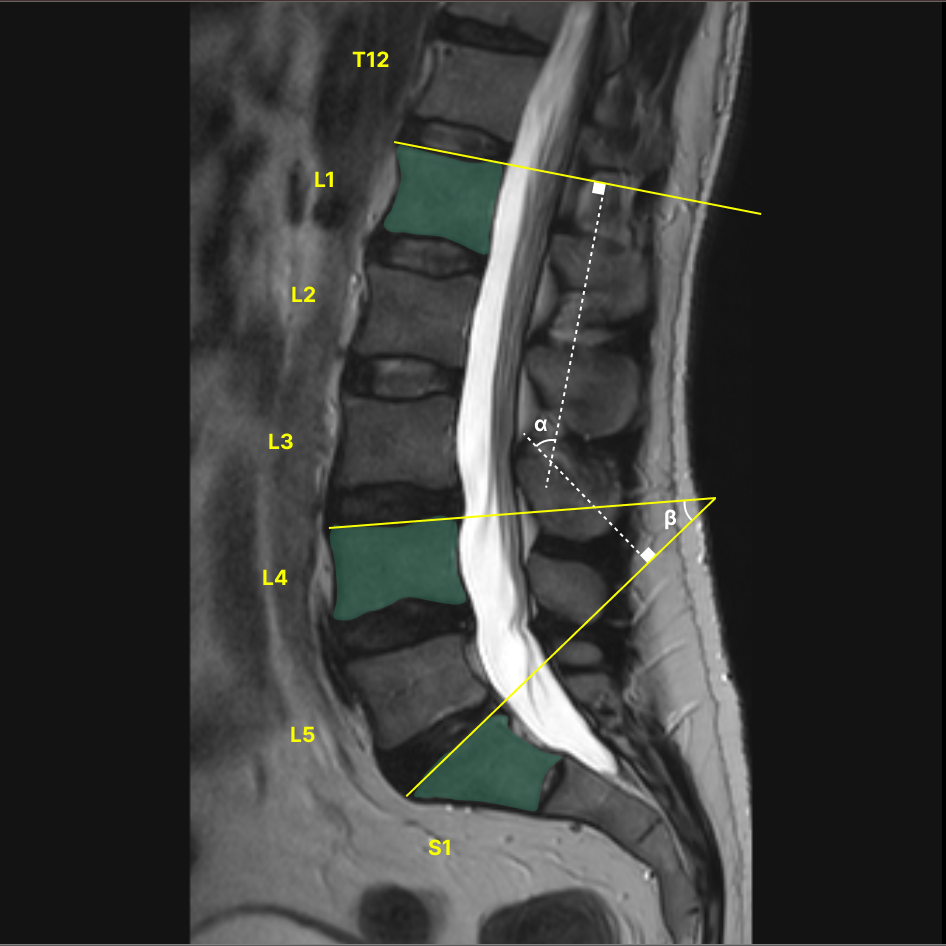
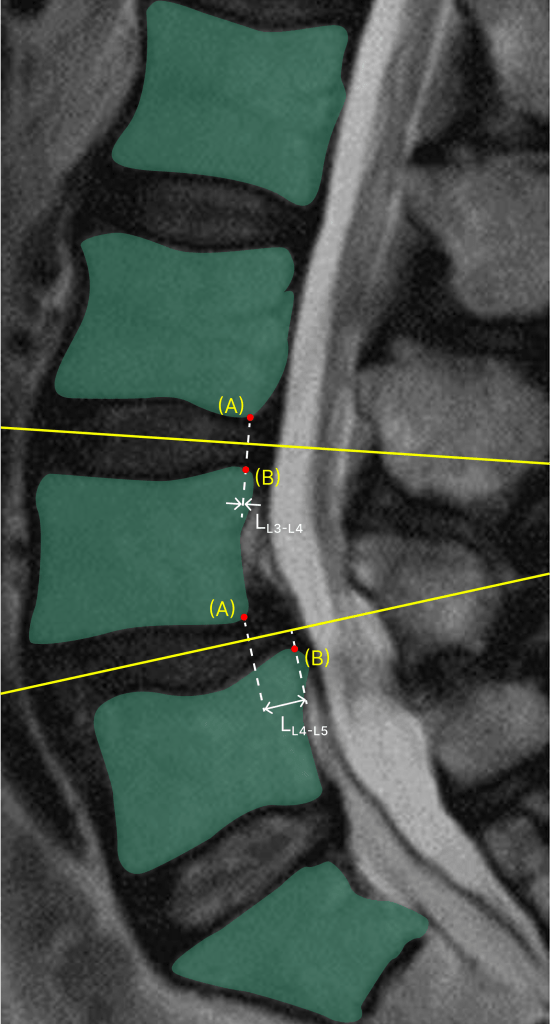
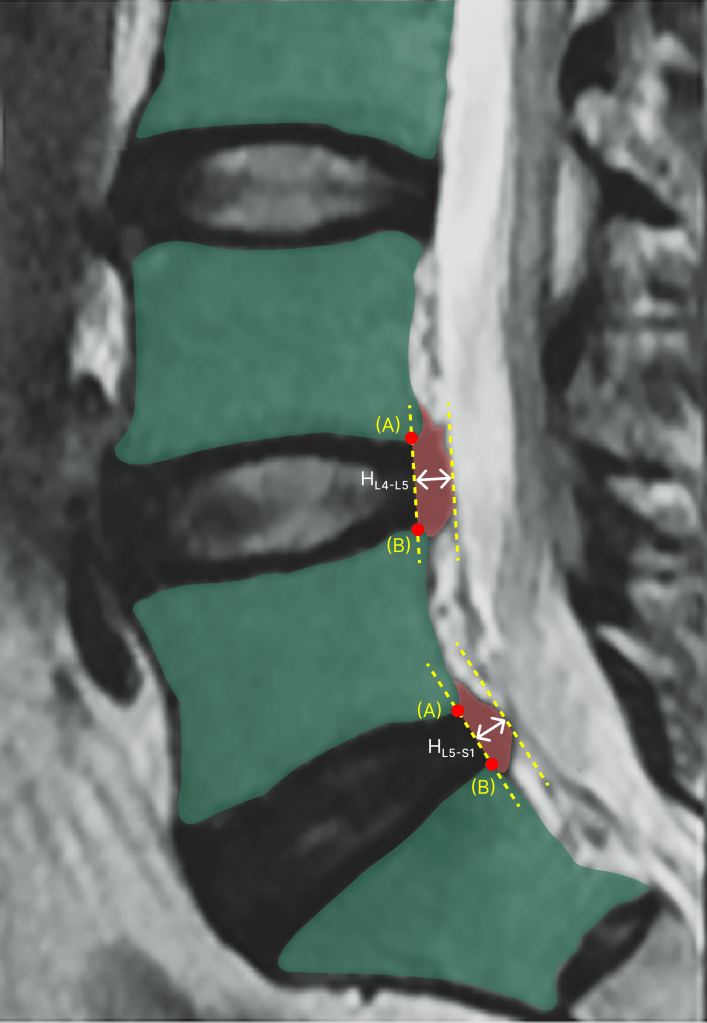

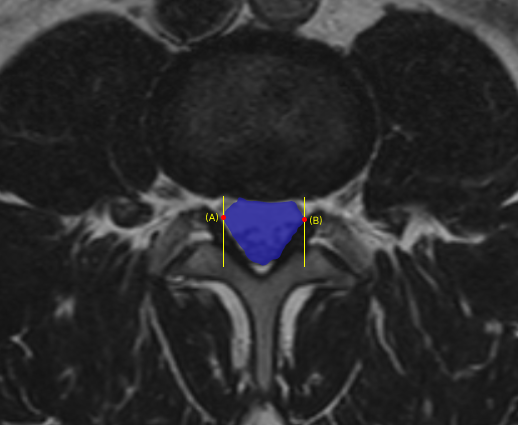
Collaboration and Feedback Loop: Engage with a group of physicians and users to validate the newly designed DICOM series. Gather feedback on the usability, visual appeal, and overall effectiveness of the AI-enhanced images. Make necessary adjustments based on their insights.
Documentation and Training: Prepare comprehensive documentation that outlines how physicians can effectively utilize the new DICOM series within their preferred DICOM Viewer. Provide training materials, tutorials, and resources to assist users in making the most of the enhanced images.
Market Launch and Communication: Develop a strategic communication plan for the launch of the AI-enhanced DICOM series. Work closely with the marketing team to create compelling materials that highlight the benefits and value of the new feature to potential users and stakeholders.
Collaboration with Extended Clinical Applications: Extend the successful design and implementation process to new clinical applications, leveraging the lessons learned from the current project. Conduct design critiques, gather feedback, and iteratively enhance the AI-enriched DICOM images for this specific use case.
Performance Monitoring: Implement analytics and tracking mechanisms to monitor the usage and effectiveness of the AI-enhanced DICOM series after its launch. Continuously gather data on user interactions, feedback, and any potential issues to ensure ongoing improvements.
